



America | Tech | Opinion | Culture | Charts

In 2018, Zach Dell was a summer analyst at Blackstone studying the utility-scale battery opportunity. “One thing became really clear to me,” he recalls. “The marginal cost of solar plus storage was going to fall below the marginal cost of coal and natural gas.”
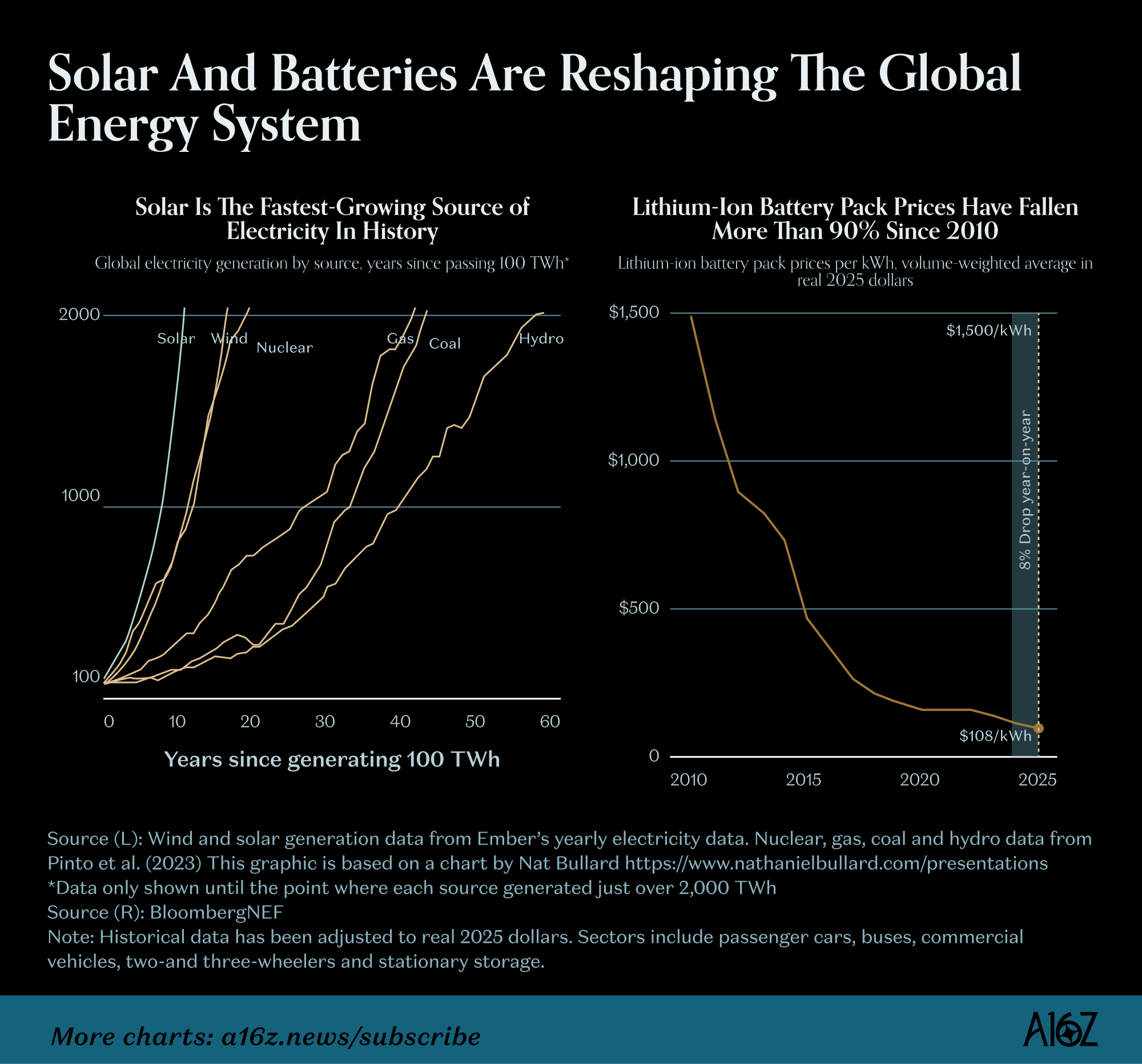
He was right. Solar is now the fastest-growing source of electricity in history, and the price of a lithium-ion battery pack has fallen more than 90% since 2010.
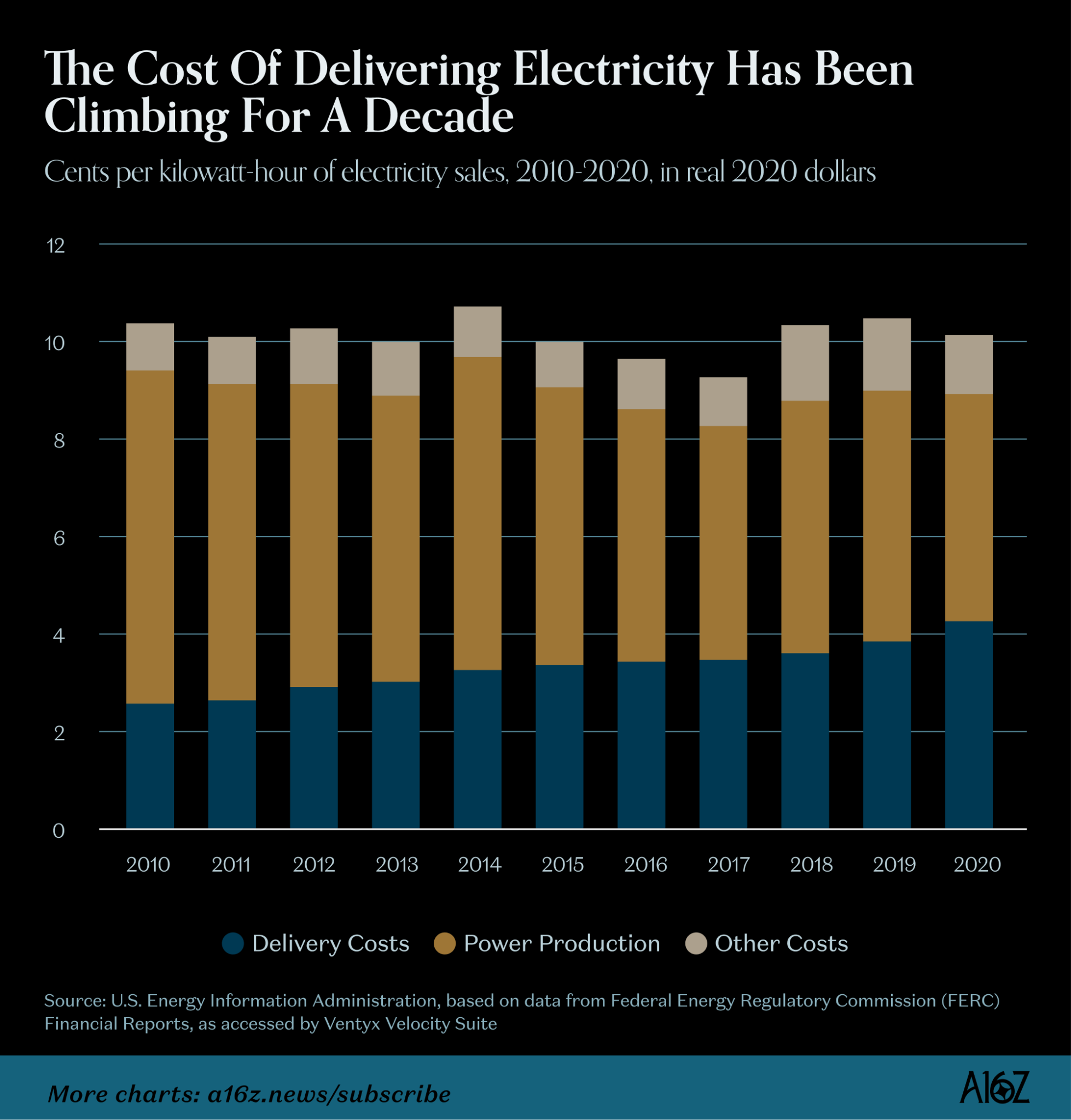
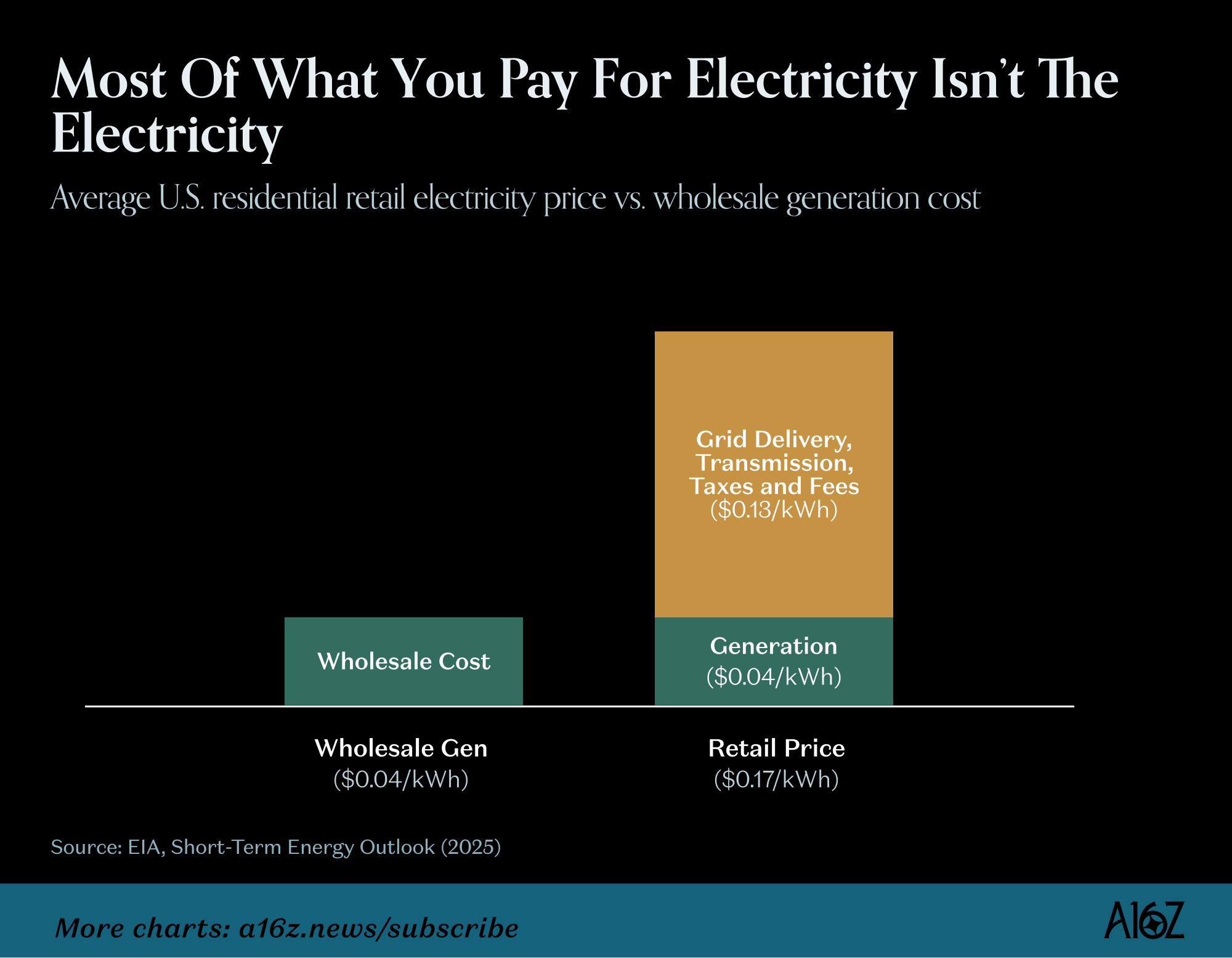
Yet, while the cost of generating electricity is falling, thanks to the collapsing price of solar (and wind), the cost of delivering it has surged. American utilities now invest more in the wires, poles, and substations that move electricity than in the plants that make it, and in 2025, electricity prices rose more than twice as fast as inflation. The U.S. electrical grid is an engineering triumph of the twentieth century that makes modern society possible, but it’s turning out to be a poor fit for the present.
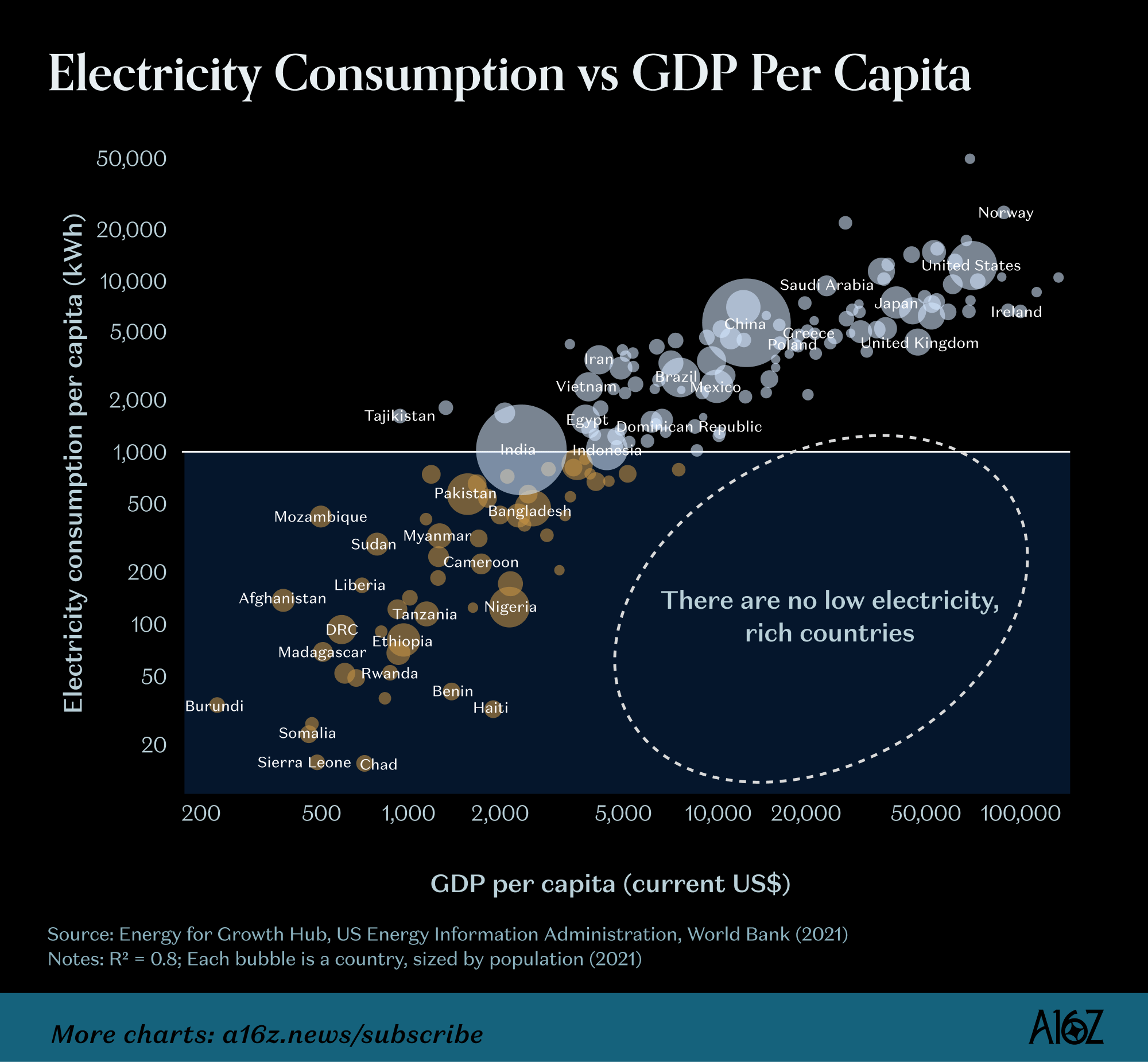
Justin Lopas was circling the same problem, looking for the next big thing to work on after running manufacturing at Anduril and building rockets at SpaceX. Problems don’t come much bigger than electricity: if GDP per capita is the best measure of human prosperity, it’s hard to find a better lever to move it than electricity. Electricity is an input to almost everything, and it determines the viability of nearly all human activity. That’s why there are no rich, low-electricity countries.
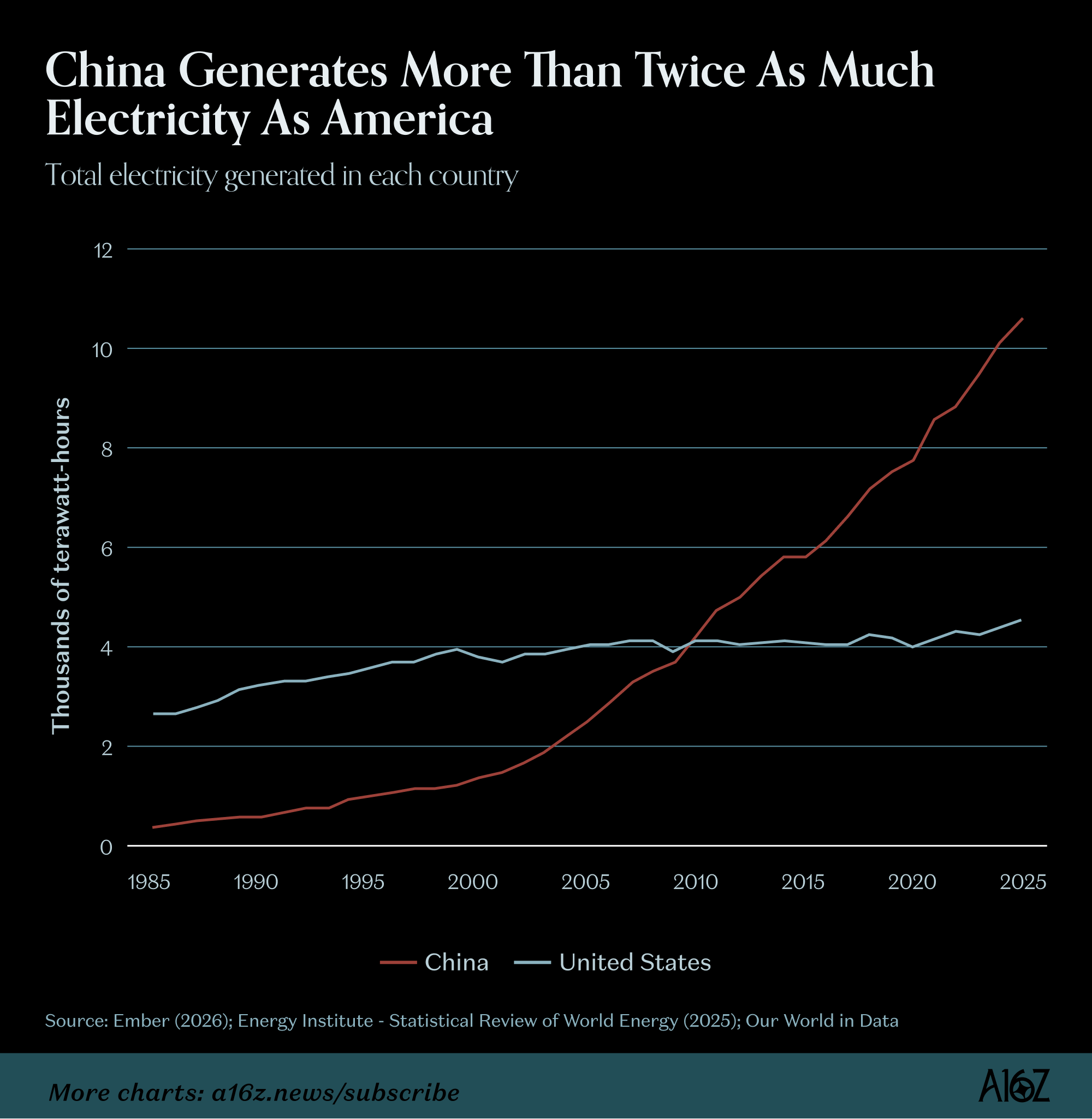
By that measure, America is in trouble. Our electricity generation has been roughly flat since the mid-2000s, while China’s has more than quadrupled. Last year, China generated more than twice as much electricity as the United States, and as energy becomes the bottleneck on industries like AI and manufacturing, that gap is becoming a national security problem.
Zach and Justin met on a factory tour at Anduril, the defense startup that was recently valued at $61 billion. Thrive Capital, where Zach worked after Blackstone, had just invested in the company, and Justin, who ran manufacturing there, showed him around. The two quickly became friends, and in the months that followed, started discussing ideas for a new company. Both wanted to build something big and thought energy was ripe with opportunity. “What SpaceX did to aerospace; what Anduril did to defense; no one has done to the energy grid,” Zach says. The industry, as he sees it, pairs enormous scale with remarkably little innovation.
“The first question Zach and I asked,” Justin told us, “was: why isn’t energy cheaper?”
The future co-founders spent the next several months researching the industry until they zeroed in on the idea for their company.
Their core insight was that cheaper batteries could help fix our aging grid infrastructure because a battery and transmission line essentially do the same job: both move power from where it’s worth less to where it’s worth more. A transmission line does it through space, carrying power from where it’s made cheaply, like a solar farm in Arizona, to customers hundreds of miles away. A battery does it through time, storing power at noon when solar is flooding the grid and releasing it in the evening when everyone is home, the sun is down, and power is expensive.
The only problem was that the way incumbents were deploying battery storage was too slow, and the batteries weren’t where the grid needed them. “Ninety-nine percent of storage on the grid is utility-scale storage,” Zach explains. “Tens of billions of dollars of CapEx has been deployed into this asset class at high rates of return, but the asset class is fundamentally limited for two reasons.”
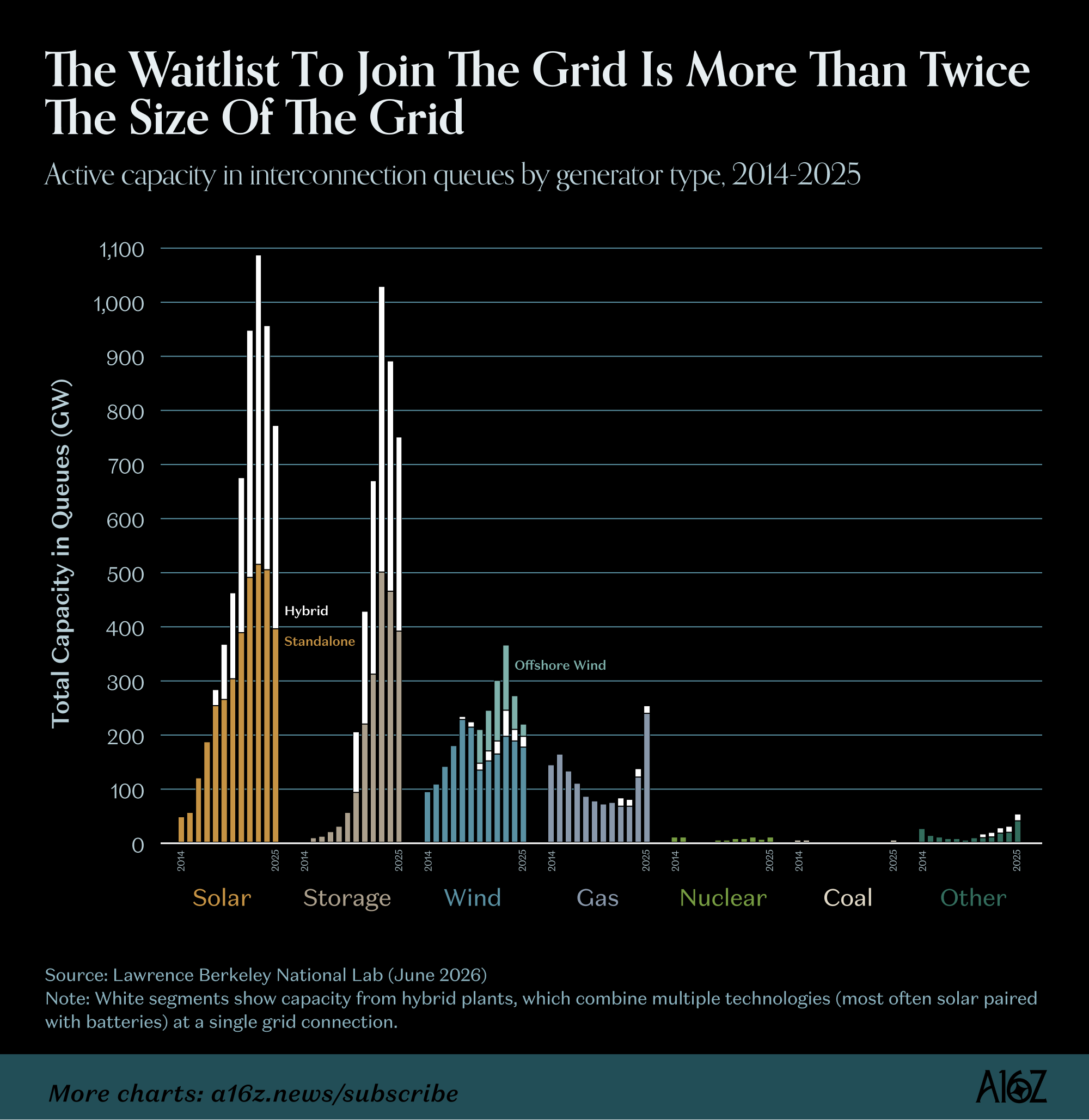
The first problem is the interconnection queue, which is the waitlist of projects that have applied to connect to the grid. Grid operators require that developers undergo studies before construction to ensure a new project won’t destabilize the system, but this has created a huge backlog. In 2008, a project took under two years to go from initial request to commercial operation; by 2023, it took nearly five. Some states can take even longer, and it’s blocking everything from batteries to solar farms to natural gas power plants. According to a June 2026 report from Berkeley Lab, there’s roughly 2,600 gigawatts of generator capacity and storage actively seeking interconnection – more than double the grid’s 1,279 gigawatts of existing capacity.
The second problem is transmission congestion. Where you actually need the power, like densely populated city centers, is not where you can put these huge farms with rows of batteries the size of shipping containers. So even after a farm clears the interconnection queue, its power arrives through the same crowded wires that are driving up delivery costs.
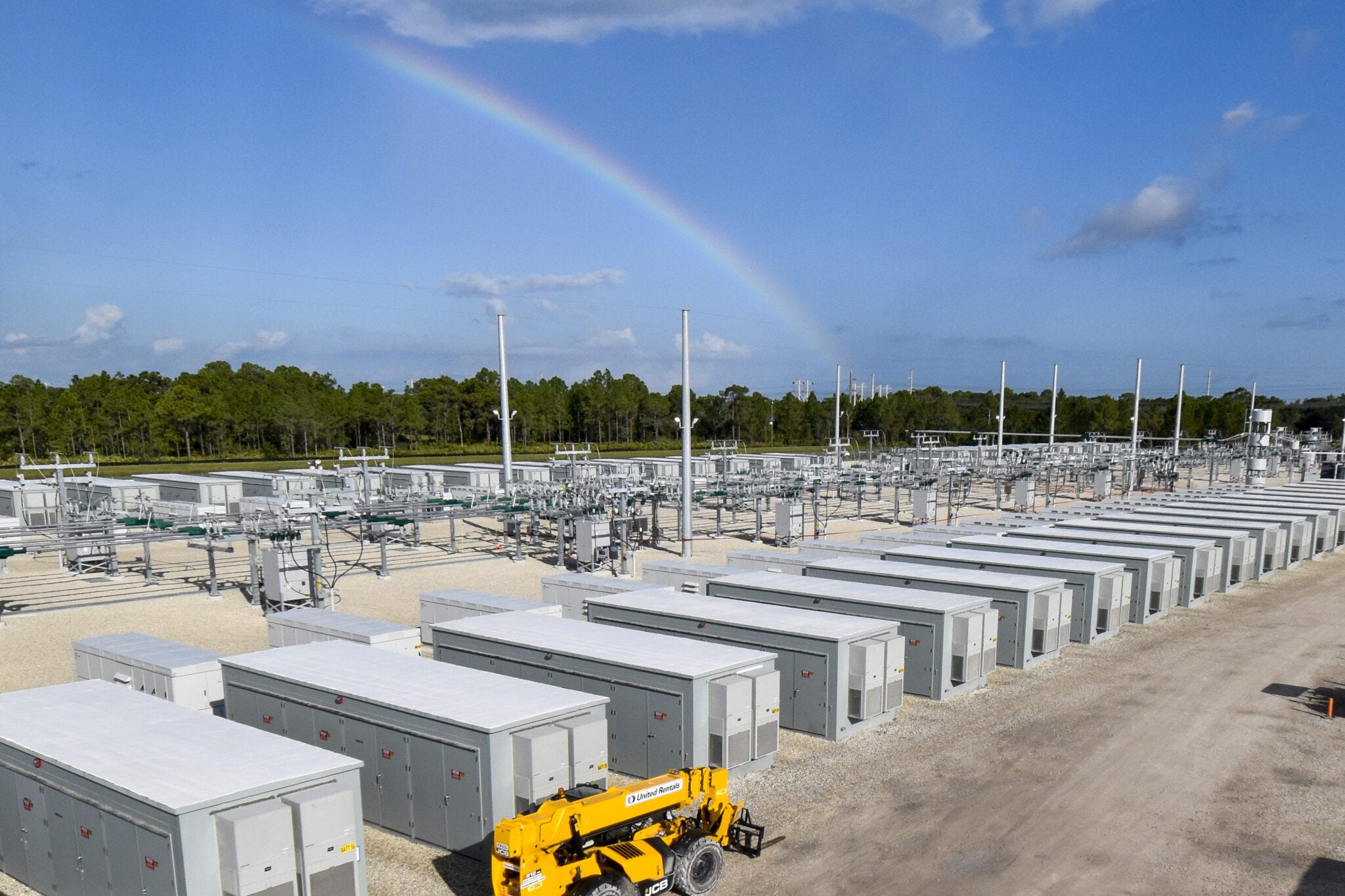
Zach and Justin believed the answer to both problems was to essentially chop the battery farms into thousands of pieces and install them on people’s homes. Houses are already connected to the grid, so you don’t have to wait in the interconnection queue. You also don’t have to purchase land or take on huge construction projects to install them. And because the house can draw power from the battery directly without ever touching the grid, you circumvent transmission congestion and reduce grid load.
The obvious problem is economies of scale: a battery farm has one site, one grid connection, and one construction job; a fleet spread across thousands of homes has thousands of each, which makes it more expensive per kilowatt-hour if installation costs are high. But Zach and Justin believed they had a way around that too.
The grid has been called the largest machine in the world – building it took decades, millions of workers, and hundreds of billions of dollars – and fixing it is an almost impossibly ambitious task. But in 2023, Justin Lopas and Zach Dell founded Base Power to try anyway, and it turned out that a lot of talented people wanted to work on this problem too. The engineer who got Starlink’s laser mesh network working joined to lead their software. A Tesla veteran who’d spent thirteen years on everything from the original Roadster to the Powerwall joined to build their battery. And investors have since bet billions of dollars that they’re onto something.
Whether they’re right will come down to a handful of beliefs about what electricity will look like in the coming decades. The first concerns a problem the grid has had from the beginning but never solved. To see it, you have to understand why the grid works the way it does.
Moving Power Through Space and Time
Thomas Edison is remembered for inventing the lightbulb, but that’s not quite what happened. Working incandescent bulbs already existed; Edison made them practical and safe. His lab in Menlo Park ran thousands of experiments with filaments and vacuums, and he sent his assistants on thousand-mile journeys before discovering a filament of Japanese bamboo that could burn for hundreds of hours. But a bulb is useless without electricity, so in 1882, he opened Pearl Street Station, America’s first centralized power plant, and wired it to a few dozen buildings nearby in lower Manhattan. Edison’s real breakthrough was the system.

The only problem was distance. Because Edison used direct current (DC), which fades as it travels, Pearl Street could only reach customers within about a mile radius. To electrify a city that way, you’d need a power plant in every neighborhood.
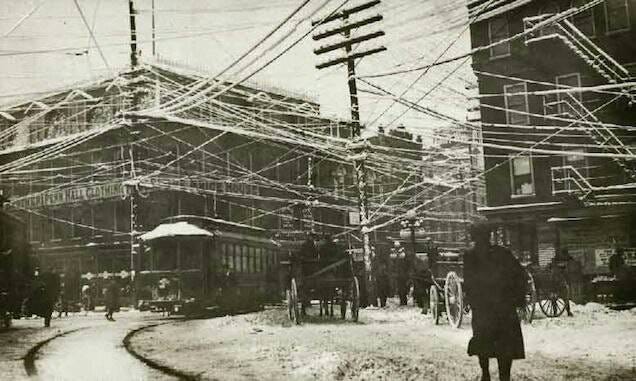
Nikola Tesla, a young engineer who traveled to America in 1884 to work for Edison, believed the answer was alternating current (AC), which could be pushed to high voltage, sent hundreds of miles with little loss, and stepped back down at the other end. Edison called his ideas “splendid,” but “utterly impractical,” so Tesla quit and raised money for his own laboratory. Tesla was a brilliant inventor who would go on to file hundreds of patents, but he lacked Edison’s gift for translating inventions into businesses. It was George Westinghouse, the Pittsburgh industrialist who had made his fortune inventing the railroad air brake, who saw Tesla’s genius, licensed his patents at a royalty of $2.50 for every horsepower of AC sold, and took on Edison in the bitter “War of the Currents.”
The war nearly broke Westinghouse. He burned vast sums of money fighting hundreds of patent lawsuits with Edison’s camp, and when the collapse of Barings Bank in London froze credit markets in 1890, creditors refused to rescue the company while Tesla’s royalties stood. So Tesla, who felt he owed everything to the one man who believed in him, tore up his contract. Westinghouse survived, and AC eventually beat DC because it was the superior standard for moving power through space.
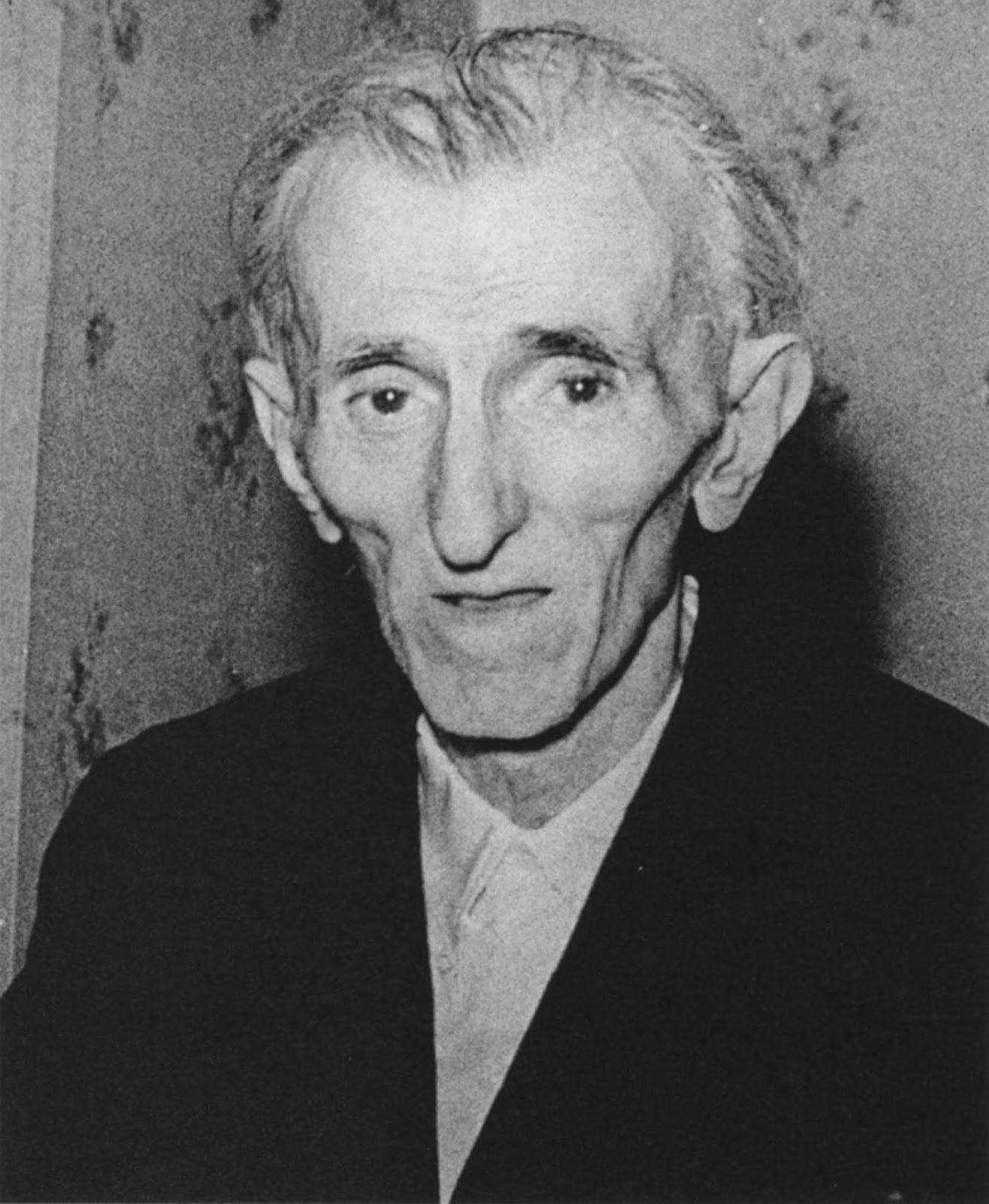
Had Tesla kept his royalties, he might have died one of the richest men in history. Instead, he exhausted his remaining wealth on new experiments and died penniless, in debt, and alone in 1943, in the room he kept at the Hotel New Yorker.
The victory of alternating current set the shape of everything that followed. Because AC could travel vast distances, one enormous power plant could serve a whole region, which facilitated economies of scale. So the plants kept getting bigger and the wires kept getting longer. In the decades that followed, fueled by New Deal initiatives like the Rural Electrification Act of 1936, these regional systems expanded rapidly. Soon almost every American could flip a switch in their kitchen and use electricity from a plant miles away.
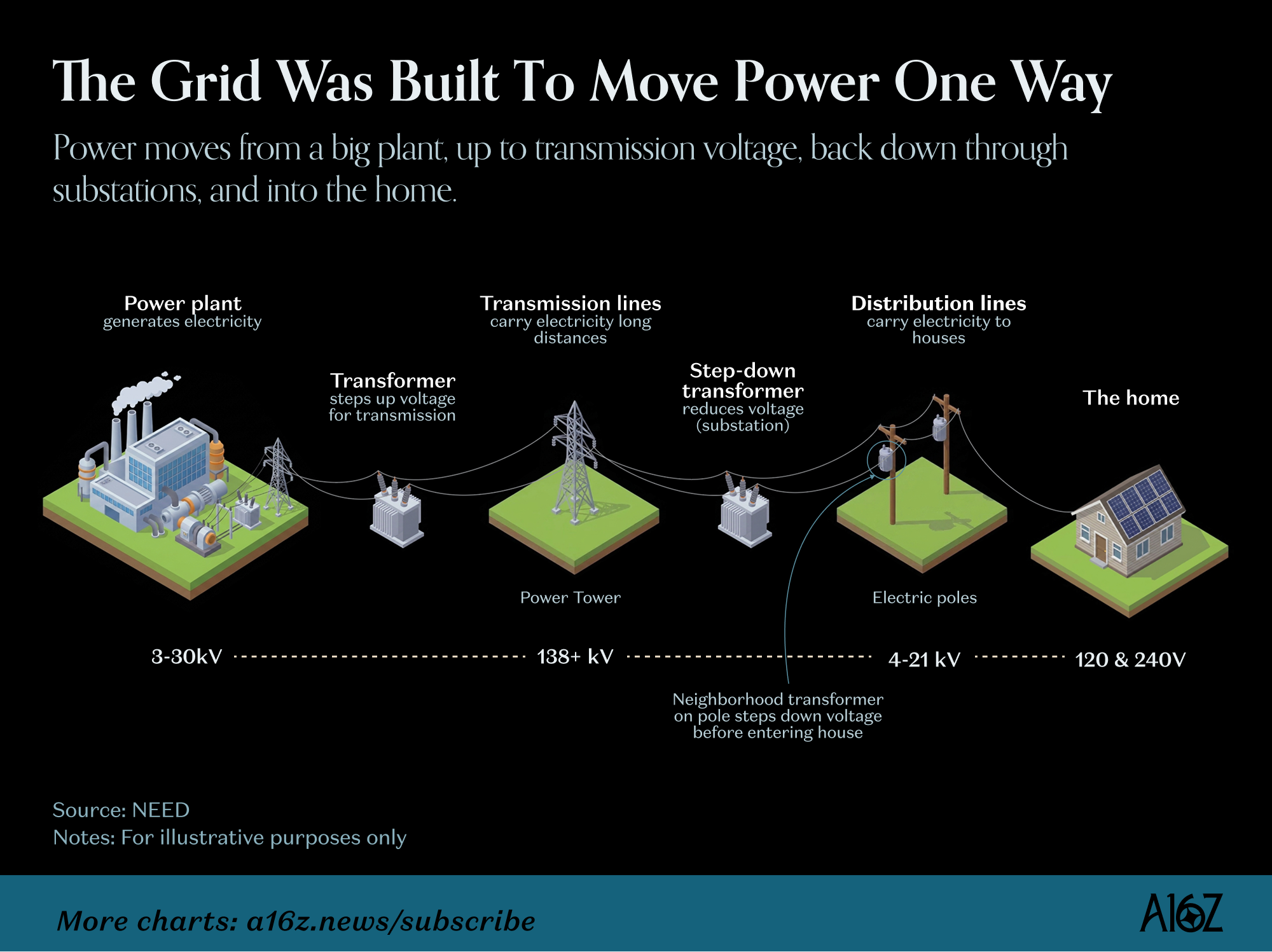
The critical flaw with this machine we now call “the grid” is that it is real-time with effectively no storage, and electricity has to be consumed within a millisecond of generation. If demand exceeds supply even briefly, the whole system slows down, almost like a bicycle hitting a steep hill, and if the frequency of the power drops too low, sensitive equipment will automatically disconnect itself to prevent damage, triggering a chain of widespread blackouts. If supply exceeds demand, the frequency spikes, almost like a bicycle spinning out of control downhill, which can overload lines, blow out transformers, and cause catastrophic damage to the infrastructure. In other words, the grid could move power through space, but not through time.
For most of the grid’s history, this was a flaw you could live with because the coal and gas plants that powered it could be ramped up and down quickly. It was more expensive because the whole machine had to be sized for the single worst hour and the average distribution line in America carried less than half of what it was built for, but it wasn’t catastrophic.
However, two things are now breaking the grid at the same time.
First, electricity generation is getting increasingly volatile. The cheapest source of power on earth is solar, with wind close behind, and the share of renewables in the energy mix is growing rapidly as coal plants are decommissioned due to their high maintenance and operating costs. This is a problem for grid stability because the sun and wind can’t be switched on or off like a coal power plant to match demand in real-time.
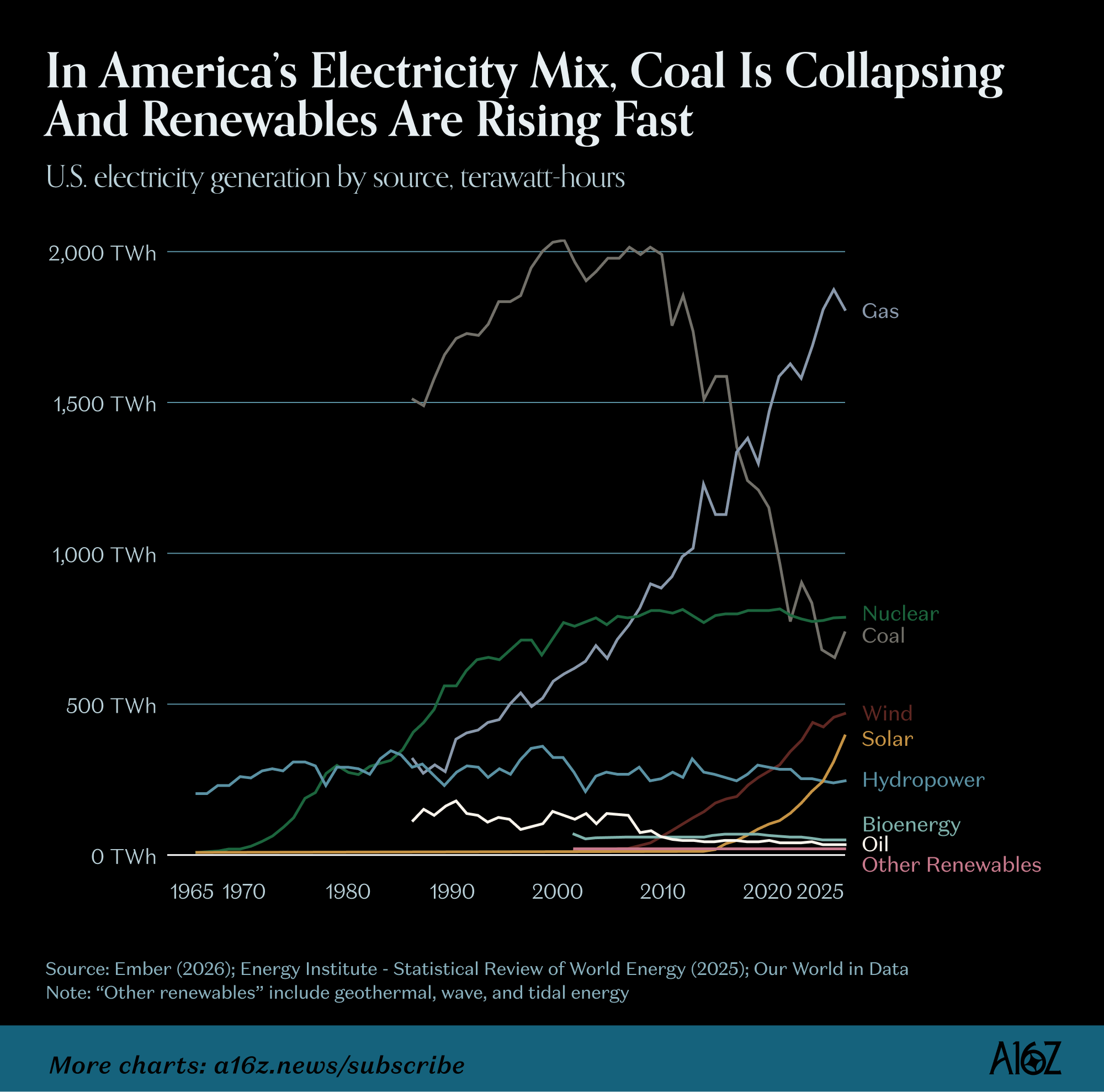
Second, the electrification of the economy is both increasing demand and making it more volatile. For over two decades, U.S. electricity demand grew at well below 1% per year. But data centers, new factories, and electric cars are all arriving at once, and utility grid planners are now projecting energy usage will increase at a rate of 5.7% per year from 2025 to 2030. Supporting this growth rate would require the electricity industry to build new generation and transmission capacity at more than six times the rate of recent years.
In short, supply is getting less reliable and demand is growing at its fastest rate in decades, on a machine built for a world of steady, controllable power plants and slowly growing demand. The tempting fix is more plants and wires, but capacity isn’t really the problem. In the middle of the night, the grid has power to spare; at 6pm the next evening, it strains. This is what Base was built to solve.
The Cheapest Electron Wins
Electricity is a commodity, and the best electron is the cheapest electron. “There are no sexy electrons,” Zach jokes. When he and Justin set out to build a modern power company, they designed it around this assumption.
The incumbents have the opposite incentive. “If you squint a little bit, they’re kind of similar to the defense primes,” Justin says, drawing the parallel from his years at Anduril. The utilities that own the poles and wires are regulated as monopolies and guaranteed a return on whatever they spend. Defense calls this model cost-plus; utilities call it rate basing. But the underlying incentive is the same: the more they spend, the more they earn. If technology lets you do more with less, there’s little reason to adopt it. As Zach puts it, “what you have is an incentive to build but not innovate.” So utilities’ requested rate increases continue to set new records, and electricity prices follow.
The advantage SpaceX and Anduril had competing against cost-plus incumbents was that customers could buy their products if they were better. But in electricity, how much competition is allowed varies state by state. About a dozen states, including Illinois, New York, Massachusetts, and Pennsylvania, have deregulated retail markets so homeowners can choose who sells them power. And no state has gone further than Texas, making it the perfect beachhead market for an energy startup to prove its model before expanding to the rest of the country.
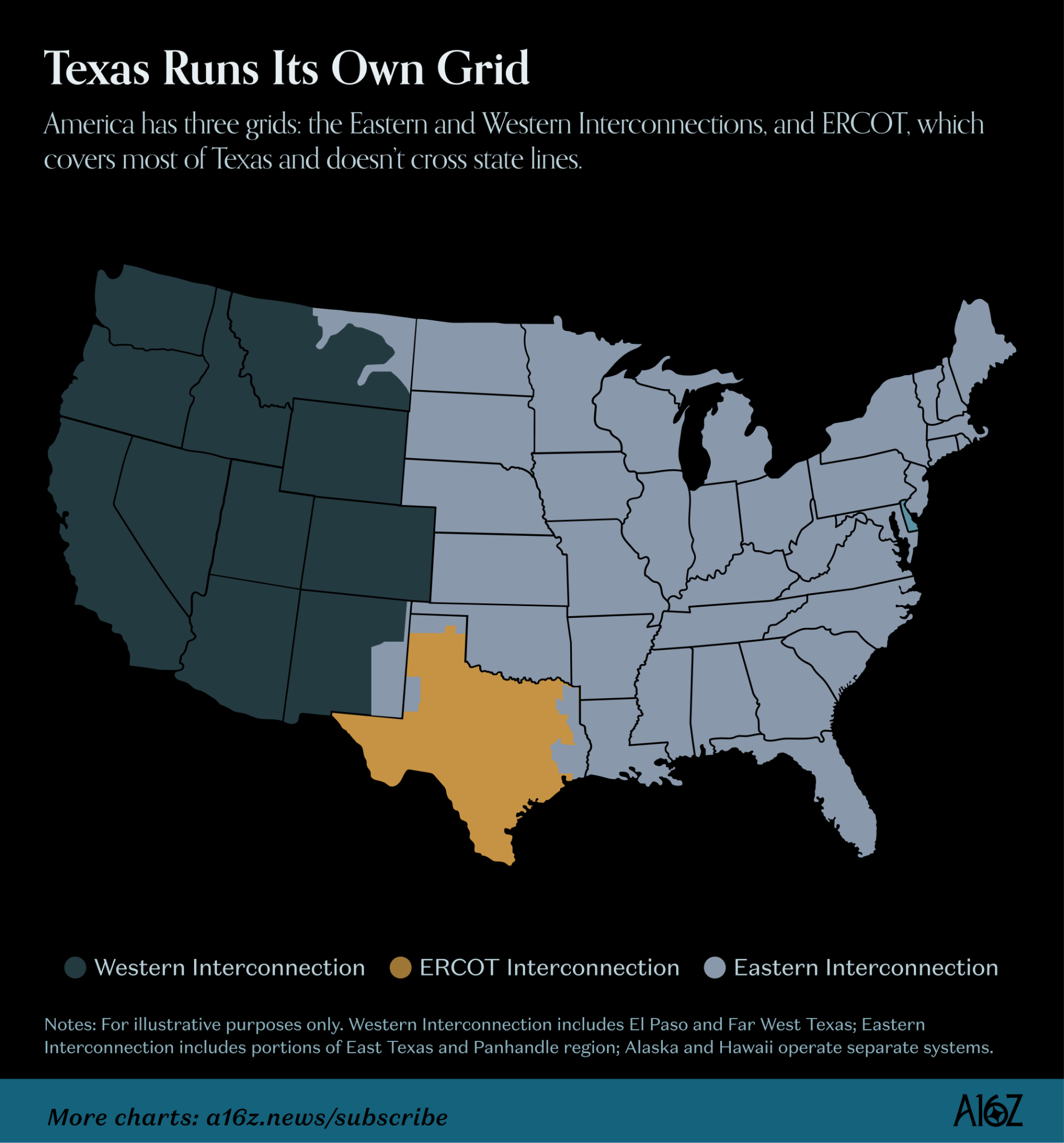
Texas runs its own grid, called ERCOT, which does not cross state lines and largely avoids federal regulation. In the early 2000s, the Public Utility Commission of Texas broke up the utility monopoly model into three distinct businesses: generation, transmission, and retail. Transmission would still belong to regulated utilities earning a guaranteed return on their spend, but they would no longer own generation or retail, which were opened to competition. The resulting market dynamics have made Texas a laboratory for energy innovation. It has become the leader in wind and solar as pure-play generators compete to produce electricity as cheaply as possible (Texas sitting in the Sun Belt and Wind Corridor helps too), and a hundred-odd retailers compete to buy electricity wholesale from the grid and sell it to homeowners. There are still some regulatory hurdles to overcome, but in the roughly 80% of the state that has deregulated, a new company can enter generation or retail without an incumbent’s permission.
In 2023, Zach and Justin incorporated Base Power as a retail electricity provider and moved to Austin. Like Tesla, SpaceX, and Anduril, they would compete with the incumbents on talent, technology, and vertical integration.
The first step was hiring people who would never work for a utility. A lot of smart people already believed energy was one of the most important problems they could work on; they just needed a company worth joining. From SpaceX, Base hired Jared Greene, who led the team that built Starlink’s laser mesh network, to run software; Cole Jones, who ran Starlink’s go-to-market, to run growth; and Suzanne Dang, who ran procurement there for ten years, for special projects. From Tesla it recruited Dino Sasaridis, who spent thirteen years there and led the design of the Powerwall 3, to build the battery; and Andy Ross, who led battery manufacturing for the Model 3, to head up manufacturing. From Anduril it hired Dana Paz, who led manufacturing engineering, to run deployments. This founding team was critical in establishing an engineering-led culture, ramping domain expertise in key areas, and perhaps most importantly, attracting even more talent.
Base’s product is the Base Core, a 39.2 kilowatt-hour battery (roughly three times the size of traditional batteries) that installs directly on customer homes in less than an hour. But the battery isn’t what customers are buying. “We don’t sell batteries,” Zach explains. “We sell affordable, reliable power.” A homeowner pays a setup fee in the hundreds of dollars and, in some areas, a monthly membership fee of about $19. That’s for a battery that would cost well over ten thousand dollars to buy outright. In markets where customers can choose their own energy provider, they get electricity from Base for three years at a fixed rate plus delivery fees, typically saving 10 to 20% on their bill. In exchange, customers let Base use the batteries to trade power with the grid.
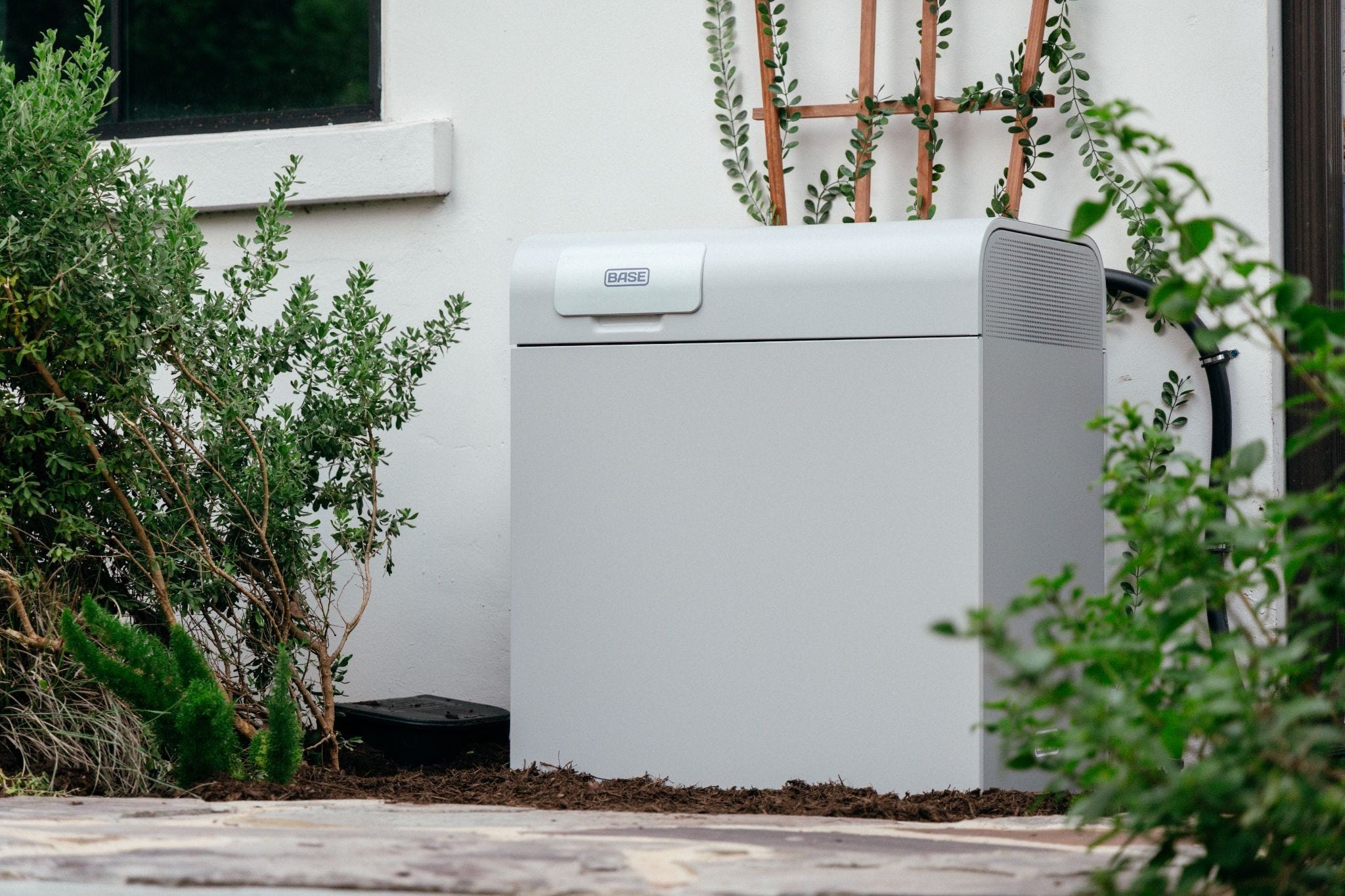
This model aligns Base with its customers in a way the rest of the battery industry isn’t. Base makes money by putting as much storage on the grid as possible, and customers want as much backup as they can get in case of a long-duration outage, so both sides want bigger batteries. Other battery companies have the opposite pull because their customers pay the sticker price upfront and smaller batteries are more affordable. Most of the money Base makes on each home comes from energy arbitrage: charging the batteries between 10pm and 4am when power is cheap and selling it back to the grid between 7pm and 9pm when it’s expensive. The trading profits scale with battery size and are what let Base sell cheaper electricity to the homeowner.
Base’s real competition is utility-scale storage, and its structural advantage is everything the homeowner supplies for free: the site, the grid connection that otherwise would take years in the interconnection queue, and a direct connection to the home that avoids transmission costs. Base is now extending those advantages to regulated utilities themselves. Austin Energy weighed Base against utility-scale developers and contracted 40 megawatts of home batteries. CoServ, the third-largest electric cooperative in the country, signed for 100. A year ago, utility partnerships were less than 5% of Base’s sales volume; today they’re more than half.
Base acquires homeowners through referrals, paid advertising, and word of mouth. It also partners with homebuilders like Lennar, one of the largest in the country. When people buy a Lennar home in certain Texas communities, they can sign up for a battery and have Base power their house from day one.
The tradeoff is that a fleet across thousands of homes means thousands of separate installs, without the economies of scale of one giant site. Base’s answer to that problem is a vertical integration flywheel. “We vertically integrate and develop technology to lower our costs,” Zach explains. “Lower costs equal higher returns at the asset level. Higher returns at the asset level mean we can pass on those returns to the customer in the form of lower prices.” In a commodity market, lower prices bring more demand, more demand brings more scale, and more scale loops back to lower costs. “There’s your flywheel, and that’s our competitive advantage. If you’re in the market for electrons and ours are the cheapest, you’re going to buy them.”
The battery itself is the clearest example. It’s designed so a crew can install it in less than an hour, eliminating hours of specialized electrician time. And bigger batteries deliver more kilowatt-hours per install. Base’s first product was 25 kWh, and within three years the 39.2 kWh Core shipped for the same price.
But vertically integrating a power company is easier said than done. Base has to design the batteries, manufacture them, write the software, install them, operate them, build a consumer brand, and offer support to thousands of customers. It’s also capital intensive.
Within three years of founding, Base has grown its battery fleet to over 500 megawatt-hours and expanded beyond Texas into Illinois. In October of last year, it raised a $1 billion Series C and converted an abandoned newspaper factory in downtown Austin into a fully functioning battery factory in eight months. This week it announced a $1 billion Series D alongside the launch of the Base Core battery, which is now in production there. The factory turns out thousands of systems a month, and the plan is to manufacture four gigawatt-hours of batteries a year, with over 10 at the next facility. “It is so critical to bring manufacturing back to the U.S., especially for critical infrastructure,” Justin says.
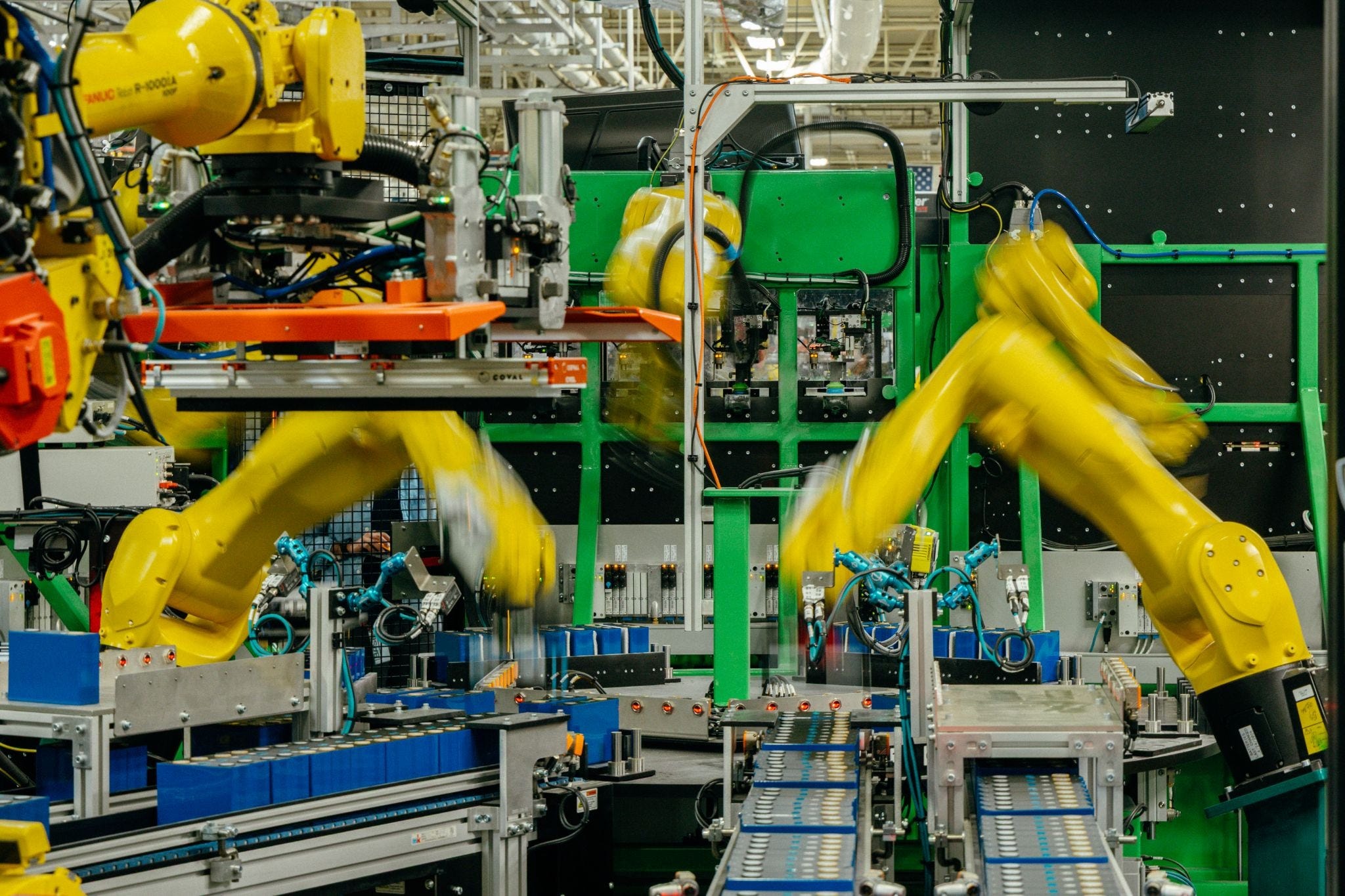
Today, Base deploys about 40 megawatts of battery storage per month to its fleet. Annualized, this run rate would represent nearly 2% of all the lithium-ion storage added to the U.S. grid last year.
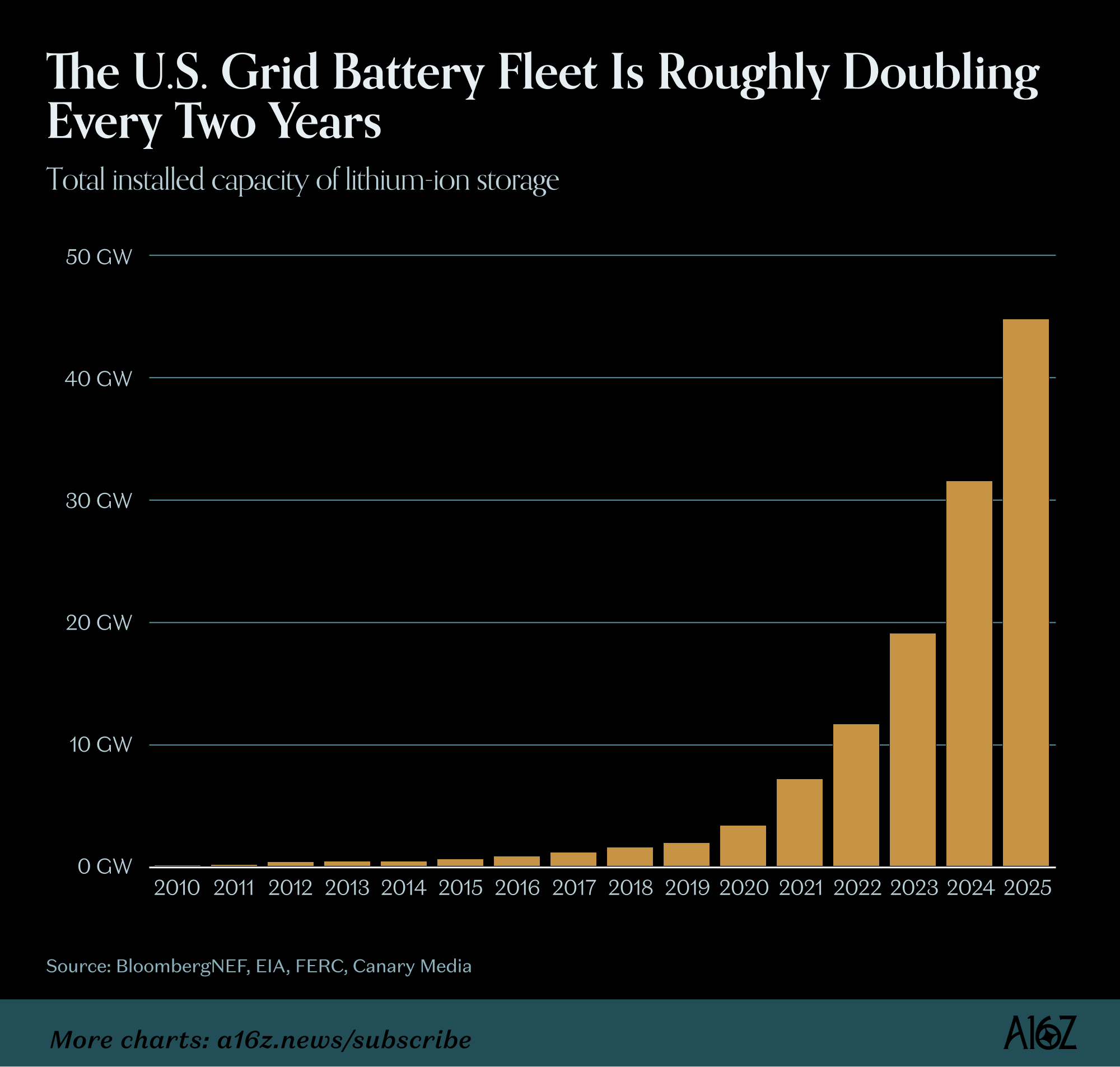
“If you wanted to put 100 megawatts of batteries on the grid today, depending on the state, it would take you anywhere from two to five years,” Zach says. “We don’t need new poles and wires. It’s a much faster system.”
Battery fleets are starting to have a noticeable impact on the grid too. Last month, Texas set a new July demand record, and wholesale prices peaked at about $0.06 per kilowatt-hour. For comparison, when record demand hit Texas during the summers of 2023 and 2024, evening prices spiked above $4 per kilowatt-hour. This time, solar carried nearly a third of the record load, batteries carried the evening ramp, and gas, which historically ramped to meet the peak, barely moved.
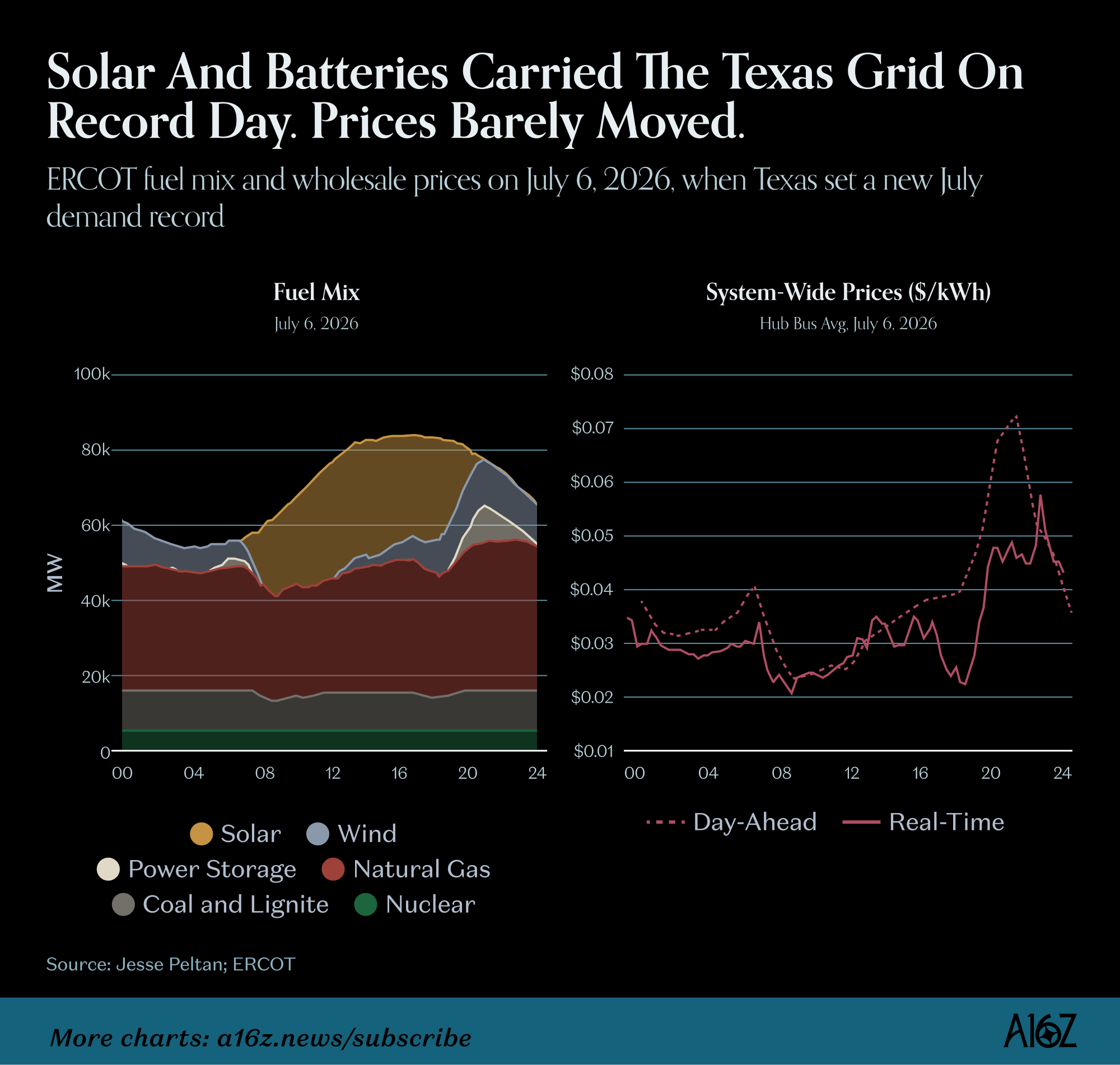
Two weeks later, it happened again, but bigger. The all-time Texas demand record that had stood for almost two years fell twice in two days – 87.5 gigawatts on July 21, then 91.3 on July 22. Batteries supplied nearly 12 gigawatts at the peak, triple what the whole state had two years ago, and wholesale electricity prices briefly touched $0.30 per kilowatt-hour, less than a tenth of the 2023 and 2024 spikes. The roughly 150 megawatts Base discharged that day is about the size of a full utility-scale battery site. If you had started building one in 2024, it would still be stuck in the interconnection queue.
Over time, Base expects the rest of the country to look a lot more like Texas: more solar, more batteries, and steeper demand spikes. “We think Texas is the canary in the coal mine for the rest of the country,” Zach says, describing the company’s expansion into new states. And after new states, there will be new products.
“If you have a battery and an inverter on the home and you’re selling the homeowner power every month, you’re really well set up to add solar to the equation,” Zach says. “We want to be in a position where we can land a battery, and eventually a solar panel, on the grid cheaper than anyone on the planet on a dollar per kilowatt-hour basis, which means we can sell an electron cheaper than anyone on the planet.” The plan is to run the same vertical integration flywheel on solar that added nearly 60% more storage to their battery for the same price.
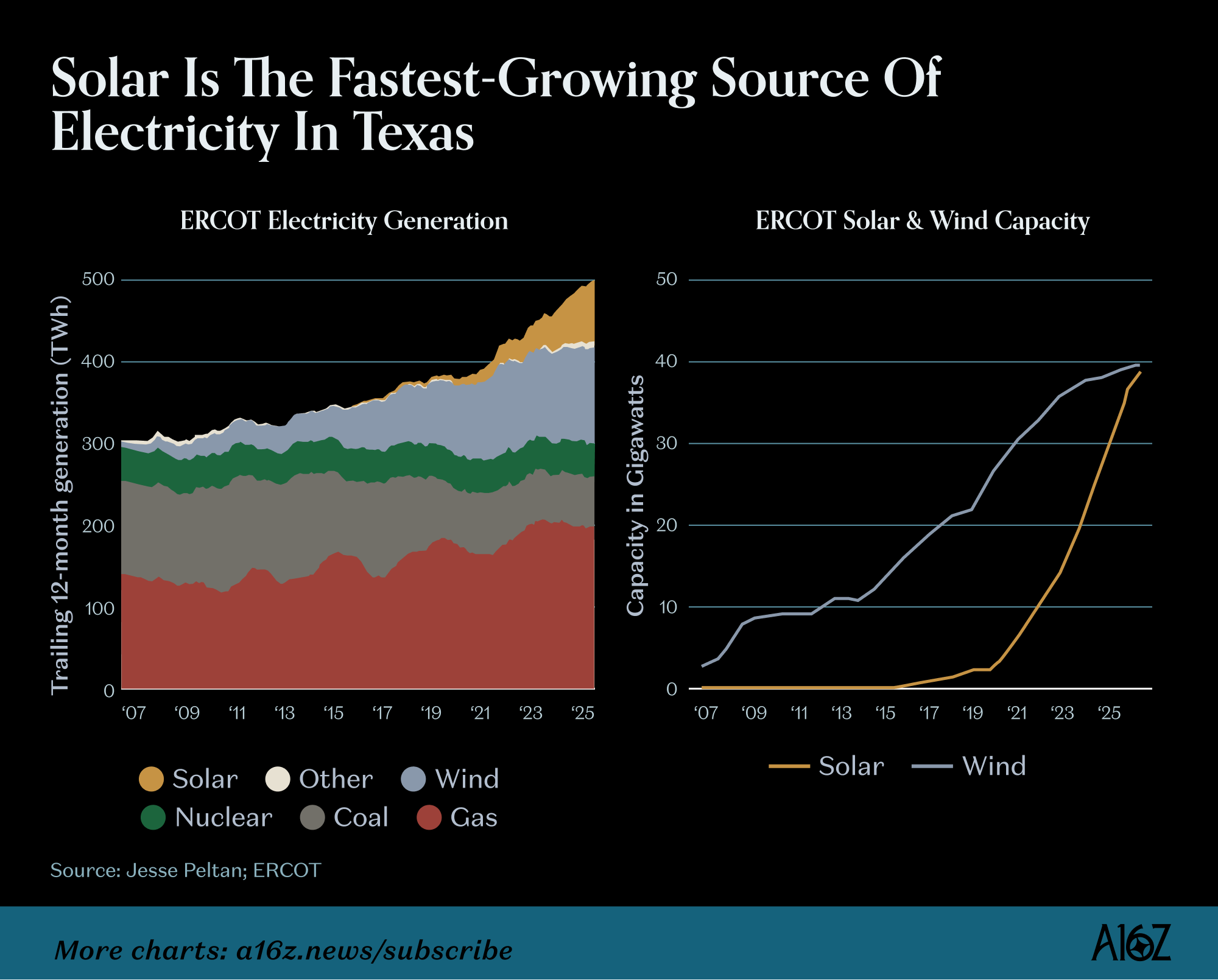
Solar is also Texas’s fastest-growing source of power, up from almost nothing a decade ago to about 15% of the state’s electricity last year.
The Coming Decade of Solar and Batteries
Last year, the world installed more new solar capacity than every other energy source combined, and very few people saw it coming. Every year for two decades, the International Energy Agency (IEA) projected that solar growth would level off, and every year the exponential has continued.
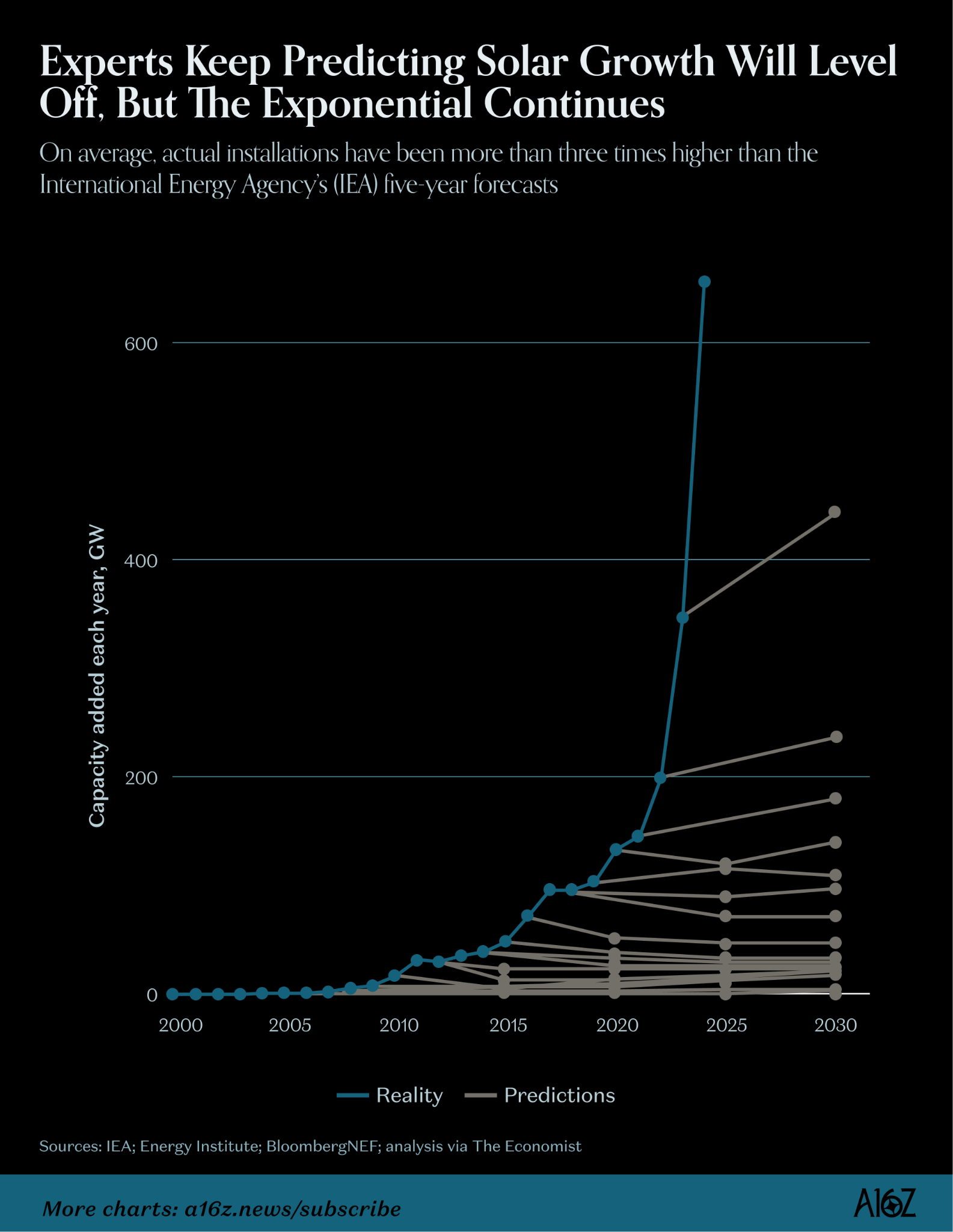
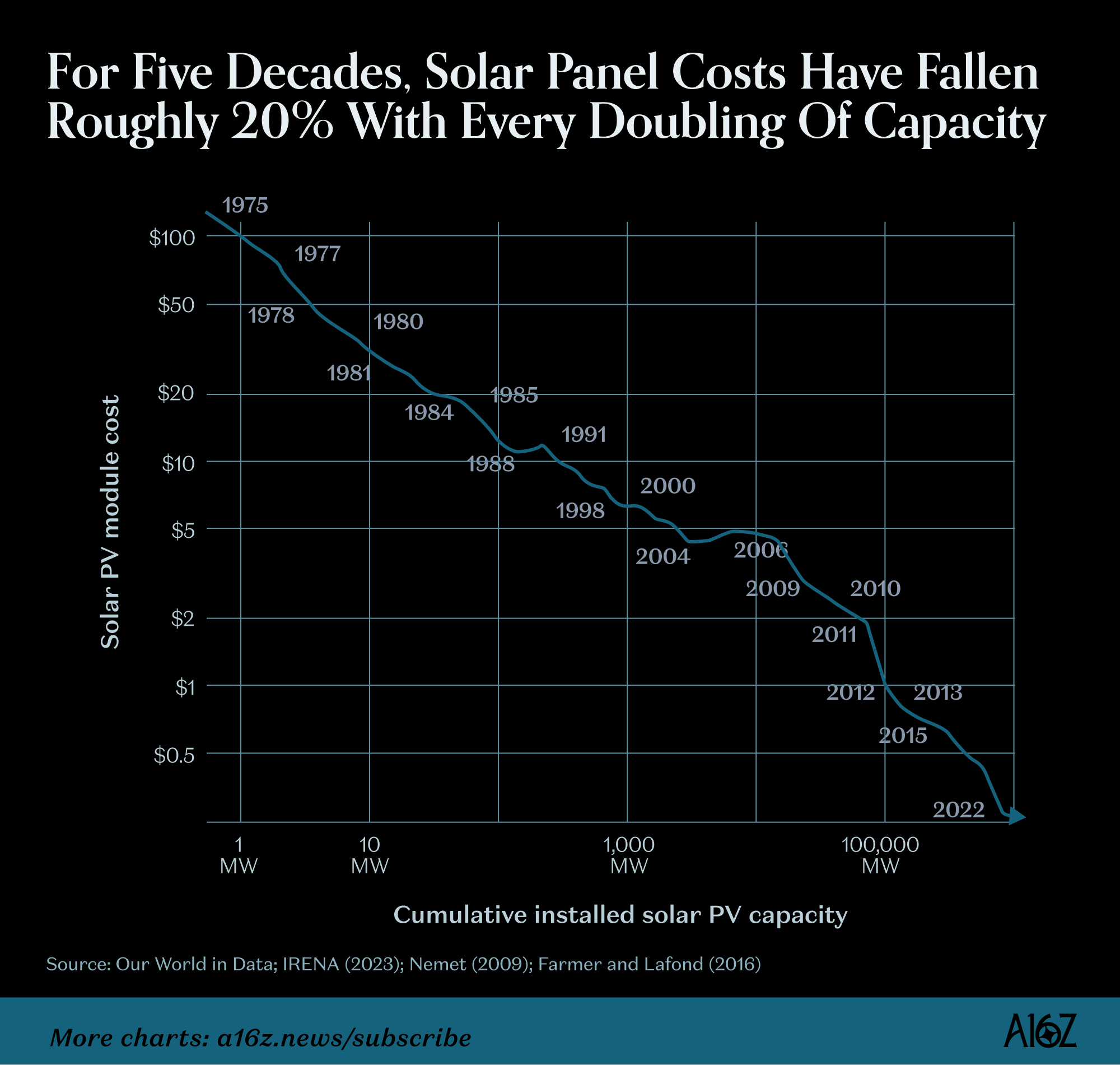
How could the experts be so wrong for so long? They were modeling solar like traditional forms of energy, when it’s actually a manufactured product, more like a flat-screen TV than a power plant. It has no moving parts, doesn’t require specialized labor to implement, runs on sunlight instead of fuel, and most importantly, it follows a “learning curve” – when factories make more of it, they get better at making it, and it gets cheaper. Economists call this learning curve Wright’s Law, which observes that the cost of technology falls by a constant fraction every time cumulative production doubles. For solar panels the fraction has been about 20% per doubling and has held for nearly five decades.
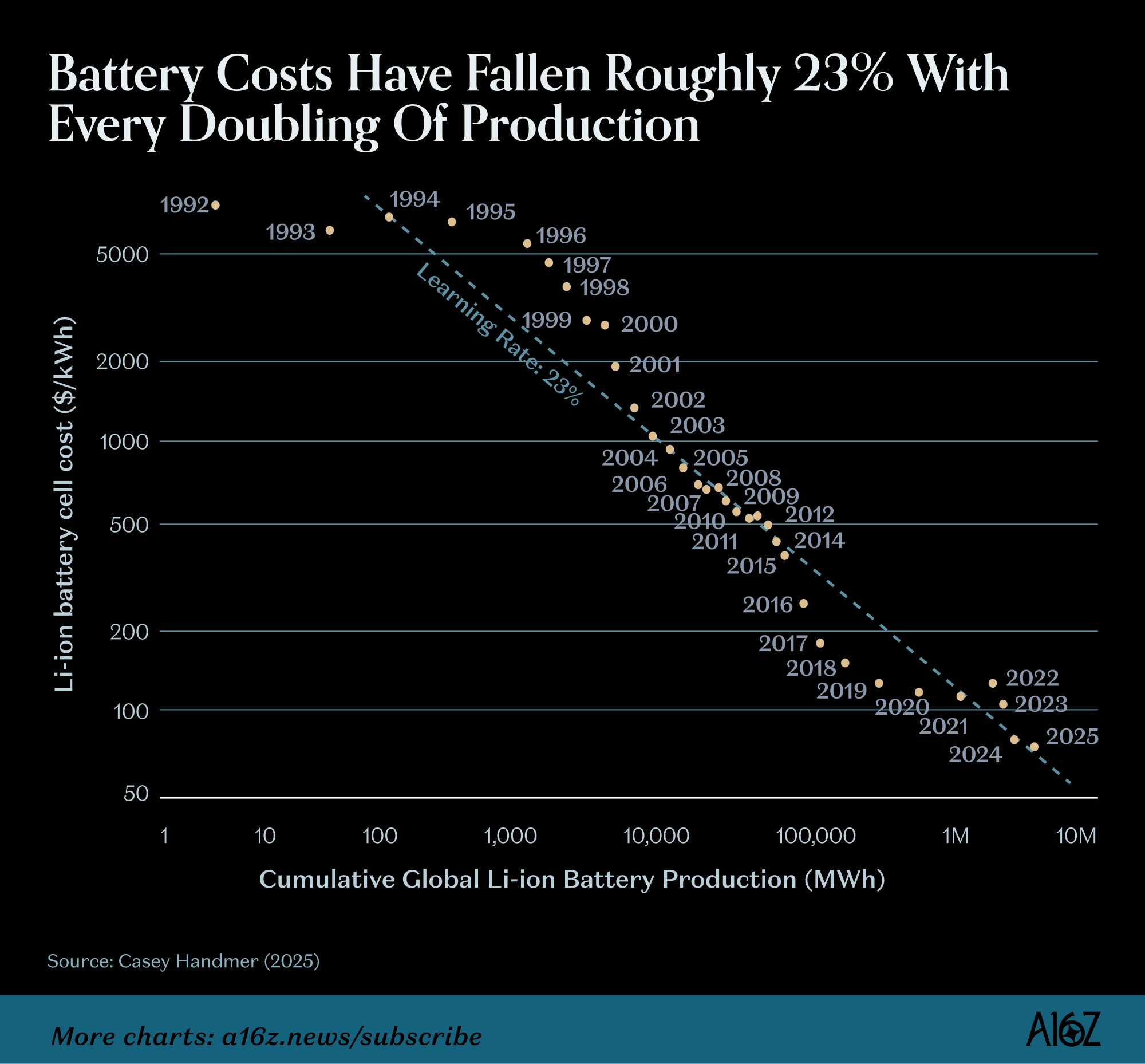
For batteries, it’s been about 23% per doubling, which compounds solar’s adoption because batteries fix solar’s biggest weakness (sunsets).
Energy historian Vaclav Smil points out that energy transitions have been slow. One way he demonstrates this is by plotting how long it took an energy source to go from 5% of the market to 25%: coal took 35 years, oil took 40 years, and natural gas took 55 years. But coal, oil, and natural gas never got 20% cheaper every couple of years.
You can see the effect of Wright’s Law on the American grid already: solar has gone from about 5% of the country’s electricity generation in 2022 to 9% in 2025, and it’s 51% of the new capacity being built in 2026.
We’re also seeing more demand for solar at the residential level to power individual homes. Utility-scale solar has accounted for roughly two thirds of U.S. solar power capacity due to economies of scale versus rooftop solar, but suitable land and the interconnection queue are becoming bottlenecks. Meanwhile, pairing solar panels with battery storage to power the night is becoming economically feasible. In the last five years, the share of American homes with solar has more than doubled from 4% to 9%.
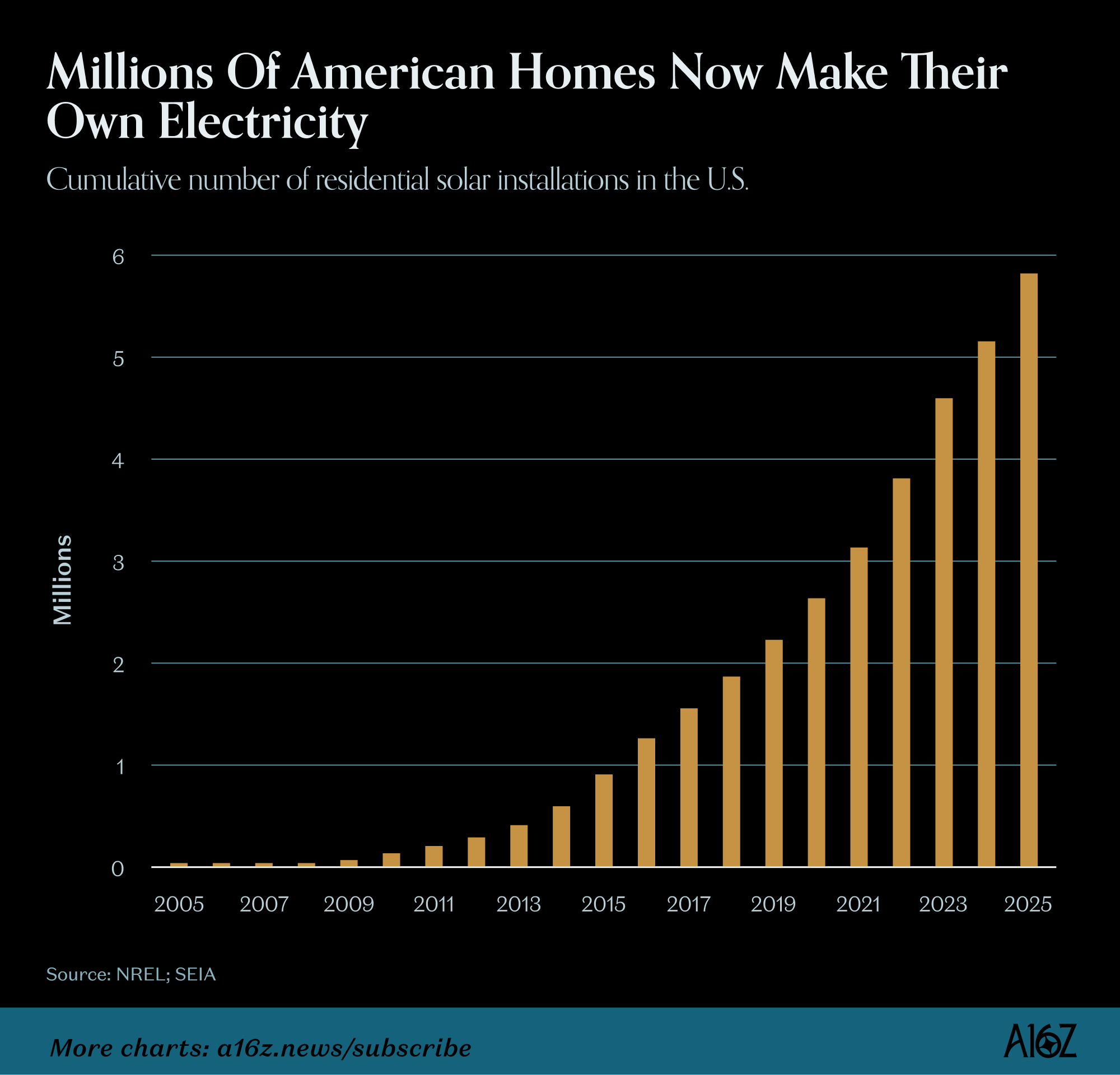
Another important driver of residential solar adoption is the rising delivery costs Zach and Justin identified when they first set out to fix the grid. Most of a retail electricity bill is delivery, and rooftop solar skips delivery entirely by letting the homeowner generate electricity where it is consumed. A solar farm competes with wholesale prices, but rooftop solar competes with retail prices.
Even before it sells a panel, all of this is a tailwind for Base. As solar comprises a larger share of power generation, noon power gets cheaper and evening power more valuable. And Base’s batteries are paid to move it through time.
Batteries and solar are ultimately how Base puts power back in the hands of the consumer. The AI data center buildout has utilities planning for demand growth the grid hasn’t seen in decades, and homeowners are worried the cost will land on their electricity bills. The industry’s proposed fix is for data centers to flex their load around the grid’s peaks, but that requires visibility today’s grid doesn’t offer. Every battery Base installs adds telemetry and control to another node on the grid, and enough of them give the system the visibility that flexibility requires. Data centers could even buy power from batteries on hundreds of thousands of homes nearby instead of waiting for years in the interconnection queue. It could be the opposite of what people fear, Zach says, “where these hyperscalers are actually subsidizing the power costs for the consumer.”
The Great Problem of Science
In 1900, at the height of his fame, Nikola Tesla published an essay titled The Problem of Increasing Human Energy. “The great problem of science,” he argued, “is, and always will be, to increase the energy.” He thought burning fuel was barbarous because destroying material is wasteful and neglects “our duty to coming generations” to leave their stores of energy intact. “We ought to be able to obtain the energy we need without consumption of material,” he wrote. He studied wind and solar and concluded the power was too intermittent and storage cost too much. The first step toward the future he envisioned was a better battery: “These and many other problems will be better solved, and in a more scientific manner, by a light-storage battery.”
A century and a quarter later, the battery Tesla asked for is finally cheap, and solar is on path to be the cheapest source of power on the planet. But deploying it is getting slower and more expensive. Big projects are forced to wait years in the interconnection queue, and our aging grid infrastructure is driving up the cost of delivery.
In three years, Base has gone from zero to installing more home battery storage per month than any company in America. The goal, as Zach described earlier, is to land a battery, and eventually a solar panel, on the grid cheaper than anyone on the planet, and turn the sun’s abundant energy into cheap, reliable power.
Driving down the price of electrons will benefit everyone who buys electricity, which is to say everyone. It will also drive down lots of other prices because energy is an ingredient in almost everything. People worry about a global water crisis on a planet that is 71% ocean because the energy required for desalination makes it prohibitively expensive almost everywhere. The technologies that will define this century consume huge amounts of energy too, and the countries with the cheapest electrons will be where the data centers, the factories, and eventually the robots get built.
Most big jumps in human progress trace back to jumps in our ability to harness energy. The airplane is a good example. When the first long-distance power line connected Niagara Falls to Buffalo in 1896, cheap and steady hydroelectric power made it profitable to manufacture aluminum at scale, and aluminum was the metal the Wright brothers needed to build an engine light enough to fly. The same cheap energy also spawned factories across the city that produced abrasives, silicon, and graphite. One improvement in moving electricity kicked off dozens of industries.
But America will need more than cheap electrons. China accounted for over 80% of battery cell production in 2025, and its share of every stage of solar panel manufacturing (polysilicon, ingots, wafers, cells, and modules) exceeds 80%. Washington has responded to this supply chain risk with tariffs, which pushes energy prices higher still.
Base wants to help solve this too by building more factories and vertically integrating further over time, but they can’t do it alone.
“In the last fifty years, the electricity industry has not been the place where the most talented engineers and operators have gone,” Zach says. “I have a ton of optimism that talented young people will wake up to the idea that this is an incredibly important problem. I hope a lot of them come to work at Base, but I also hope more companies get started to solve these really hard engineering problems in the energy space to help drive cost down and reliability up.”
As Justin saw at SpaceX and Anduril, it only takes a small group of people to jumpstart an industry. It’s hard to think of one with more downstream consequences than electricity.



This newsletter is provided for informational purposes only, and should not be relied upon as legal, business, investment, or tax advice. Furthermore, this content is not investment advice, nor is it intended for use by any investors or prospective investors in any a16z funds. This newsletter may link to other websites or contain other information obtained from third-party sources - a16z has not independently verified nor makes any representations about the current or enduring accuracy of such information. If this content includes third-party advertisements, a16z has not reviewed such advertisements and does not endorse any advertising content or related companies contained therein. Any investments or portfolio companies mentioned, referred to, or described are not representative of all investments in vehicles managed by a16z; visit https://a16z.com/investment-list/ for a full list of investments. Other important information can be found at a16z.com/disclosures. You’re receiving this newsletter since you opted in earlier; if you would like to opt out of future newsletters you may unsubscribe immediately.
Solar and batteries both compounding at ~20-23% per doubling isn’t two coincidences — it’s the same manufacturing-learning-curve logic showing up wherever the physics lets it, which is exactly why the IEA kept getting it wrong by modeling it like a power plant instead of a product.
Delivery charges are the margin home batteries capture and utility-scale storage cannot.